

Las Vegas transportation covers how people move across the city every day. It includes roads, walking areas, transit systems, and travel planning methods. Las Vegas transportation matters because the city is wide and travel distances are often longer than expected.
This blog will explain to you the travel options for getting around Las Vegas and what travelers should know. It will also cover how to move around the city using simple tips.
Las Vegas transportation is built to support heavy visitor movement and regular local travel. The city layout is spread out, and many well-known places are not close to each other. Even when areas look nearby, travel time can be longer due to wide roads and long walking paths.
Road travel is the most common way people move around. However, traffic flow changes throughout the day. Mornings feel different from evenings. Weekends feel different from weekdays. Understanding these patterns helps travelers plan better and avoid stress. A basic understanding of routes and timing can make daily travel much easier.
Moving through the city becomes simpler when travelers know what to expect. These points explain everyday travel realities in a clear and practical way.
Many places appear close on maps, but walking between them takes time. Roads are wide, crossings are long, and paths are not always direct. Planning travel routes in advance helps avoid tiredness and wasted effort during busy days.
Walking feels easy only in limited zones with connected walkways. Outside those areas, walking can become uncomfortable. Knowing when walking makes sense and when transport is better helps maintain energy and comfort.
Traffic levels depend on time, events, and weekends. A smooth drive in the morning can feel slow later. Travelers who stay flexible with timing usually move more smoothly.
Signs are available, but roads are wide, and decision points arrive quickly. Staying alert helps avoid sudden lane changes. Calm driving supports safer and clearer movement.
Unplanned travel often leads to confusion. Even light planning improves daily movement. A simple route plan allows travelers to stay relaxed and focused throughout the day.
Las Vegas offers several ways to move around the city. Each option supports different travel needs and comfort levels.
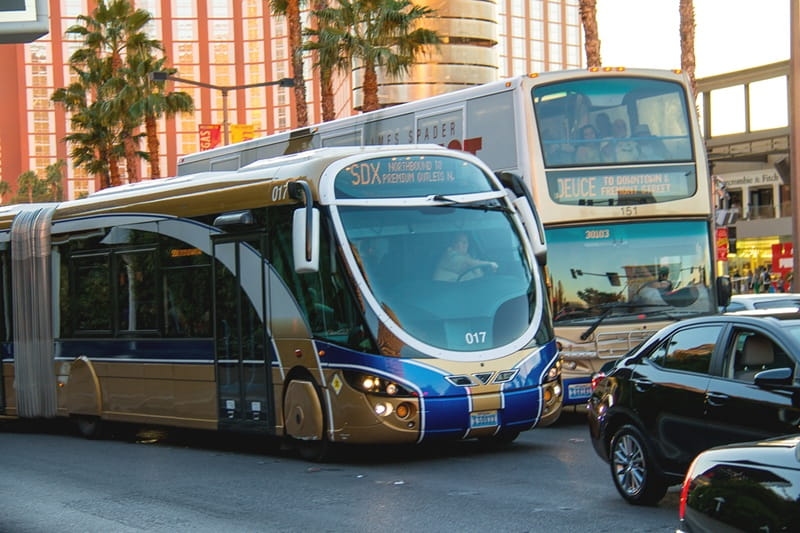
City buses operate on major roads and serve popular areas. They follow fixed routes and scheduled stops. This option works well for travelers who prefer structured travel with clear planning.
Elevated rail systems connect select high-activity zones. They avoid road traffic and offer steady travel. This option is useful during busy hours when roads feel crowded.
Taxis provide direct travel between locations. They remove the need for route planning. This method suits travelers who prefer simple door-to-door movement.
Rideshare services offer flexible pickup and drop-off locations. They allow easy route changes if plans shift. This option works well for travelers who value convenience.
Rental vehicles provide full control over travel timing and direction. They suit travelers visiting outer areas or moving frequently. This option supports flexible daily schedules.
Choosing the right transportation method depends on daily needs. These factors help travelers make informed choices.
Short distances may not require vehicles. Longer routes usually do. Knowing daily travel distance helps travelers plan efficiently and avoid fatigue.
Traffic and crowd levels change during the day. Some hours feel calm, others busy. Selecting transport based on timing improves travel flow.
Some travelers prefer quiet travel. Others prefer speed. Choosing transport that matches personal comfort improves the overall experience.
Familiar routes feel easier to manage. New routes need more attention. Simple and clear paths reduce confusion and stress.
Tight schedules require reliable transport. Flexible days allow slower movement. Matching transport choice with daily plans supports smoother travel.
Busy central areas require extra attention while traveling. These tips help travelers move through high-activity zones smoothly.
Early hours are usually calmer. Roads feel less crowded. Starting early allows more control and fewer delays.
Some areas offer connected paths that reduce road crossings. Using them saves time and effort. These paths also feel safer.
Large events increase movement pressure. Avoiding peak hours helps reduce waiting and congestion. Checking event schedules supports better planning.
Busy zones can feel confusing. Selecting open pickup areas helps avoid delays. Clear meeting points improve coordination.
Unexpected closures can happen. Being flexible allows quick adjustments. Knowing alternate paths keeps travel smooth.
Daily travel feels easier when handled step by step. These points help travelers stay organized.
It is essential to know where to go every day, which can help you plan your route. This can help travelers avoid last-minute changes and wasted time.
Using one primary method keeps travel simple. Backup options can remain available. Consistency reduces confusion.
You should consider basic planning the night before to save a lot of time. It helps mornings feel calmer and more controlled.
It is essential to understand that delays can happen unexpectedly. Extra time prevents rushing. Calm travel improves safety and comfort.
Looking back can help you improve your future plans. Even when you make small changes, they can lead you to smoother movement over time.
Las Vegas transportation becomes manageable with simple planning and awareness. Knowing routes, timing, and travel options helps reduce stress. With basic preparation, travelers can move around the city smoothly and maintain control throughout their stay.
Yes, with basic planning and route awareness, new visitors can travel comfortably.
Walking works only in specific areas. Other transport methods are needed for longer distances.
Yes, traffic changes over time and with events. This is the reason flexible planning is essential for you to reduce delays.
Yes, simple travel planning is essential for you to save time and avoid confusion.
Public transit follows fixed routes and schedules, making it reliable with proper timing.
This content was created by AI